Get Calmer. Get Clearer.
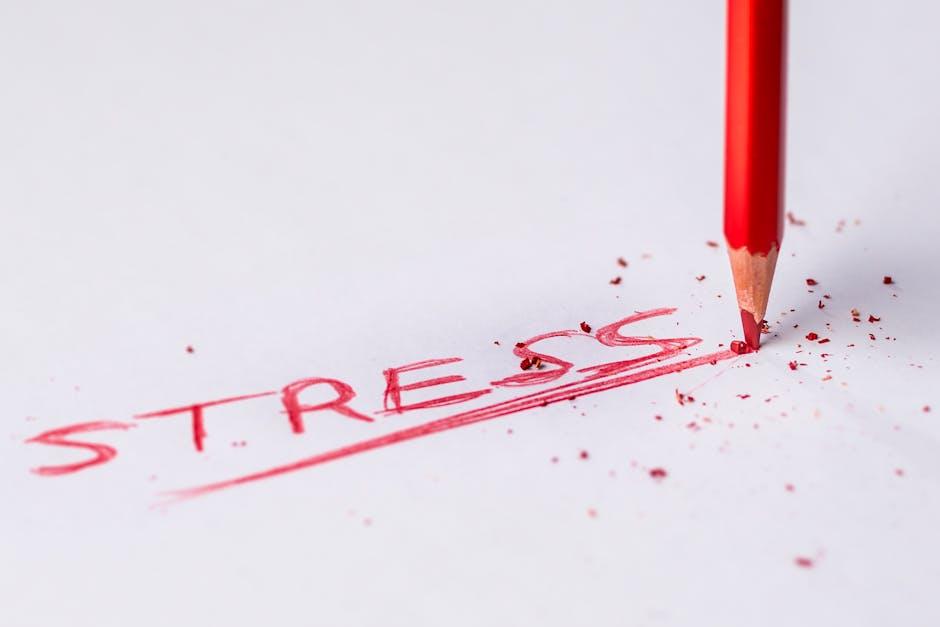

A friend asks how you’re doing, and the answer arrives before you’ve thought about it: slammed, swamped, barely keeping up. You’ve said some version of it every day this week. At some point the answer stopped being a description and became an introduction.
Why exhaustion became something people wear
It’s worth asking how this happened, because it didn’t happen by accident. One line of research on what researchers call conspicuous busyness finds that in the United States, a packed calendar now signals importance the way visible leisure once did. If being busy reads as successful, then announcing busyness is a rational move, even when it feels terrible. The performance pays in status.
The culture and the apps do the rest. Group chats reward the performance — the 11 p.m. “I cannot with today” collects the hearts, and nobody who replies “go to sleep” really means it. Hustle culture treats depletion as evidence of effort. Stress becomes a costume: it signals seriousness, it bonds the people wearing it, and after a while it’s what others see instead of you.
Underneath the performance, repetition does quiet damage. When you narrate your stress all day, each retelling runs the stress reaction again and tells your body the threat is current. Then identity locks the loop in. Once “perpetually overwhelmed” becomes how your friends know you, resting starts to feel like breaking a promise to the group, and people quietly resist recovering from an identity they built their introductions around.
Vagueness deserves special mention, because it isn’t an accident. “So stressed” asks for sympathy without inviting anyone to fix Thursday’s meeting; a specific complaint obligates someone, if only you, to do something about it. Announcing a problem also produces the social reward — the concern, the validation — that solving it would. When sympathy arrives without the repair, the pressure to repair quietly drops, and the announcement becomes the whole treatment.
What the research says
A large experience-sampling study that pinged people on their phones found attention wandering for close to half of waking hours, with mood running lowest when the drift was anxious. Narrating your stress all day keeps the drift parked on exactly that channel.
The research on venting is uncomfortable for the stress-competition style of bonding, too. Studies of co-rumination — groups rehashing the same problems repeatedly — suggest it deepens distress and can strain the friendships it’s supposed to serve. On the hopeful side, small studies on affect labeling suggest that naming a feeling precisely (“I’m dreading Thursday’s meeting”) reduces its intensity in a way “so stressed” never manages.
On the workload side, reviews of workplace interventions tend to find that changes to the actual job — fewer demands, more control, real recovery time — outperform programs that only teach employees to cope better. If your stress has a schedule and a supervisor, coping skills help, and so does arguing about the schedule. None of this makes stress itself the villain; short-lived, controllable stress is part of how people meet real demands. The damage tracks duration and helplessness, which is precisely what the performance rewards and the announcement prolongs.
What actually helps
Taking the costume off doesn’t mean pretending everything is fine. It means describing your life accurately and changing what can actually be changed.
- Retire your default answer to “How are you?” Replace “slammed” with one true, specific thing: “Busy, but I finally fixed the bike.” It feels oddly exposing at first, which is a reasonable sign that it’s honest.
- Name the stress once, precisely. Not “everything is a lot” — which task, on which day, and what exactly about it. Precision is what makes a feeling actionable, because “everything” can’t be scheduled but Thursday can.
- Cut one commitment this week. Not renegotiated, not rescheduled — withdrawn from. The schedule is the load, and the story can’t lighten it.
- Change what your group chat rewards. When the stress competition starts, be the one who asks, “What would make tomorrow lighter?” It breaks the loop without lecturing anyone.
- Audit three days of your actual time. Sometimes the packed feeling hides slack that busy-talk inflated, and the audit finds it. Sometimes it shows the load genuinely exceeds one person, which is exactly the evidence you need for a real conversation at work or at home.
What doesn’t work
- “I thrive under pressure.” Deadlines can focus attention. But when the pressure never fully lifts, what you’re calling thriving is usually adapting, and adapting long-term is what burnout is made of.
- Winning the stress competition. Comparing exhaustion produces solidarity on the surface and more of the problem underneath. The bonding that runs on rehashed problems tends to feed the problem.
- Treating rest as a prize. Recovery isn’t the reward for finishing everything, because the list refills itself. Rest is an input to the work, not a bonus at the end of it.
- Rebranding instead of reducing. Calling it “my busy season” while keeping every commitment changes the announcement, not the load.
When it’s bigger than an article
Pay attention at specific lines. If the exhaustion doesn’t lift when the workload does — if sleep stays broken for weeks, if you’re snapping at the people you love or numb about things you used to enjoy, or if your body keeps filing complaints (constant headaches, a stomach that’s always upset, a chest that stays tight) — that may be burnout or an anxiety condition, and both respond to treatment.
A doctor or therapist is the right next step, and “my job is the stressor” is a reason to book the appointment, not a reason to wait. If the workload itself exceeds what one person can carry, that’s information for an occupational health conversation or a job search, not a personal failing to manage with breathing apps.
The short version
You don’t have to become a serene person with a linen aesthetic. You have to stop letting a feeling do your introductions. Say the specific true thing, cut what can actually be cut, and take the costume off a little earlier each week.