



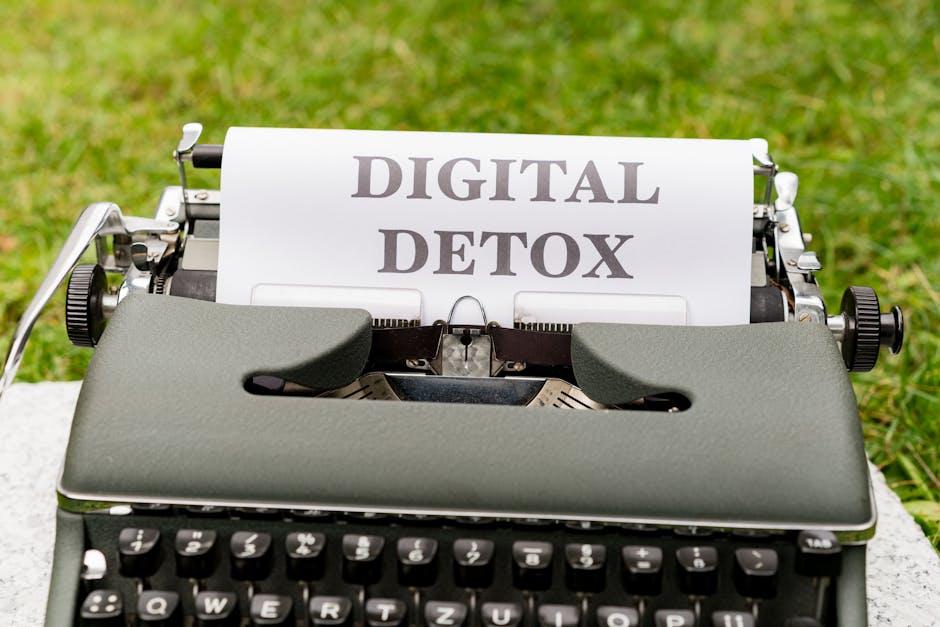
Thumb first, eyes second
You reach for the phone before your eyes are fully open. Nothing has happened — you know nothing has happened; you checked it four minutes ago — but the thumb moves anyway. Twenty minutes later you’ve seen a high school classmate’s boat, three arguments about something nobody will remember next week, and a video you’ll forget by lunch. You put the phone down and the day starts from behind.
If that’s the relationship, a break from the feed is worth taking. It’s also worth being honest about what a break can and can’t do, because the detox fantasy sets most people up to quit. Sized honestly, a break is a useful tool; sized as a miracle, it’s a warranty that expires in a week.
The feed is designed; the habit is learned
Social apps are engineered to be hard to leave, and it helps to be precise about how. Infinite scroll removes the natural stopping points that older formats had. Pull-to-refresh delivers a small, unpredictable reward — sometimes something good, often nothing, which is exactly the schedule that keeps slot players seated.
Notifications arrive on the platform’s timing, not yours, so your attention gets claimed by someone else’s schedule all day. None of this is accidental, and none of it is about your willpower. The design is the antagonist; the thumb just learned the pattern well.
This is also why a detox alone disappoints. Scrolling usually does a second job — padding the gaps where something unresolved lives: a job that’s wearing you down, loneliness that a feed mimics without feeding, exhaustion that reads as boredom. Remove the app and you don’t remove the thing it was anesthetizing. You remove the anesthetic.
A detox clears the table so you can finally see what’s on it. A cleared table isn’t a meal. But you can’t cook on a cluttered one.
What the research says
The honest summary is that the evidence is mixed and modest. Small experiments have found that cutting social media to around thirty minutes a day reduced loneliness and depression over a few weeks — with college students, small samples, and short follow-ups. Other trials of full abstinence found little change, and recent reviews of the detox literature conclude the effects are small and inconsistent.
Research on social comparison points the same cautious direction: feeds tilt toward highlights, and measuring your ordinary Tuesday against other people’s best moments tends to feel bad. Studies link that comparison habit to lower mood, though the effect sizes are modest and the causal picture is tangled.
Reading all this as “detoxes don’t work” is too strong. Reading it as “one week offline will change your brain” is much too strong. The fair reading: removing a source of comparison and noise tends to help a little, and helps most when it makes room for something better.
What actually helps
Treat the break as a change to the environment, not a test of character.
- Delete one app, not all of them. Pick the one your thumb opens on autopilot. Total abstinence from everything digital is brittle; one removal is durable.
- Replace, don’t just remove. The hands will look for the phone at the same times every day. Put a book where the charger is, or walk after dinner at the hour you used to scroll. The slot needs a substitute.
- Move the battle off willpower. Grayscale the screen, kill non-essential notifications, log out after each use. Friction beats resolve, because resolve gets tired around 9 p.m. and friction doesn’t.
- Keep the phone out of the bedroom. A cheap alarm clock ends the last-scroll and first-scroll of the day in one move, and most people discover those two sessions were the heaviest of the twenty-four.
- Do one thing the scrolling was covering. The application letter, the phone call you’ve postponed, the sleep you owe. One real item from the cleared table, this week.
- Notice how you feel before and after. Ten seconds of honest checking — better or worse than before you opened it — teaches more than any study, and it’s the only data collected about you that stays yours.
Pick two of these rather than six — durable beats dramatic, and the goal is fewer inputs, not a new identity as an offline person.
The first week is the loud one: phantom reaches, real boredom, a phone that suddenly has nothing to say. It passes. Week two is quieter and, honestly, easier.
What doesn’t work
The dramatic public purge tends to collapse — the announcement, the thirty days, the return post announcing you’re “back and healed,” and then day thirty-one, when the phone comes back configured exactly as before. The config is the problem; nothing about it changed while you were gone.
Abstinence as identity also fails quietly: people who define themselves as “off social media” usually come back swinging. Shame doesn’t work either, aimed at yourself or at friends who still scroll; the feed’s design is the culprit, and nobody beats it by feeling bad about it. And a detox aimed at avoiding a problem — the job, the relationship, the debt — just leaves you sitting with it, staring at a cleared table with no plan for a meal.
When it’s bigger than a feed
If the scrolling is the only thing that quiets your head, or if you feel worse off the phone for weeks rather than better, that’s worth more than an article. Persistent low mood, panic that doesn’t lift when the phone does, or use that’s costing you sleep and work are standard reasons to talk to a doctor or therapist. Compulsive use often travels with anxiety or depression, and treating the underlying thing works better than any screen rule. That’s not a screen-time problem, and screen rules won’t cover it.
If hopelessness ever shows up, 988 is staffed every hour in the US.
A start, sized honestly
A detox won’t fix your life. It clears the table — and then you have to look at what’s on it and cook something. That’s less satisfying than a clean-feed fantasy, and it’s the version that holds.